
150
Minutes of movement a week, the WHO guideline for adults.
World Health Organization
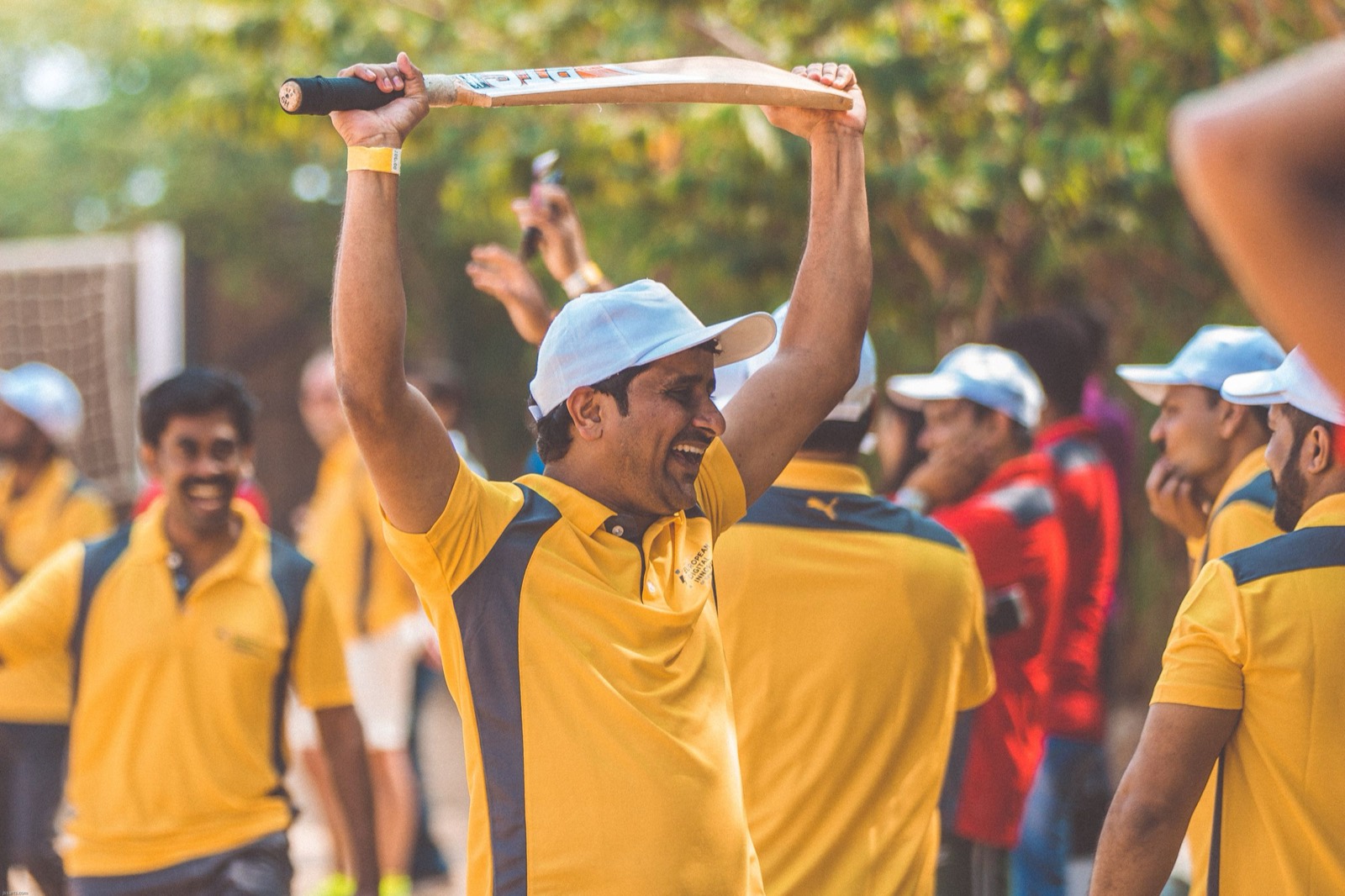
For companies
Corporate sports and wellness events, all across India.
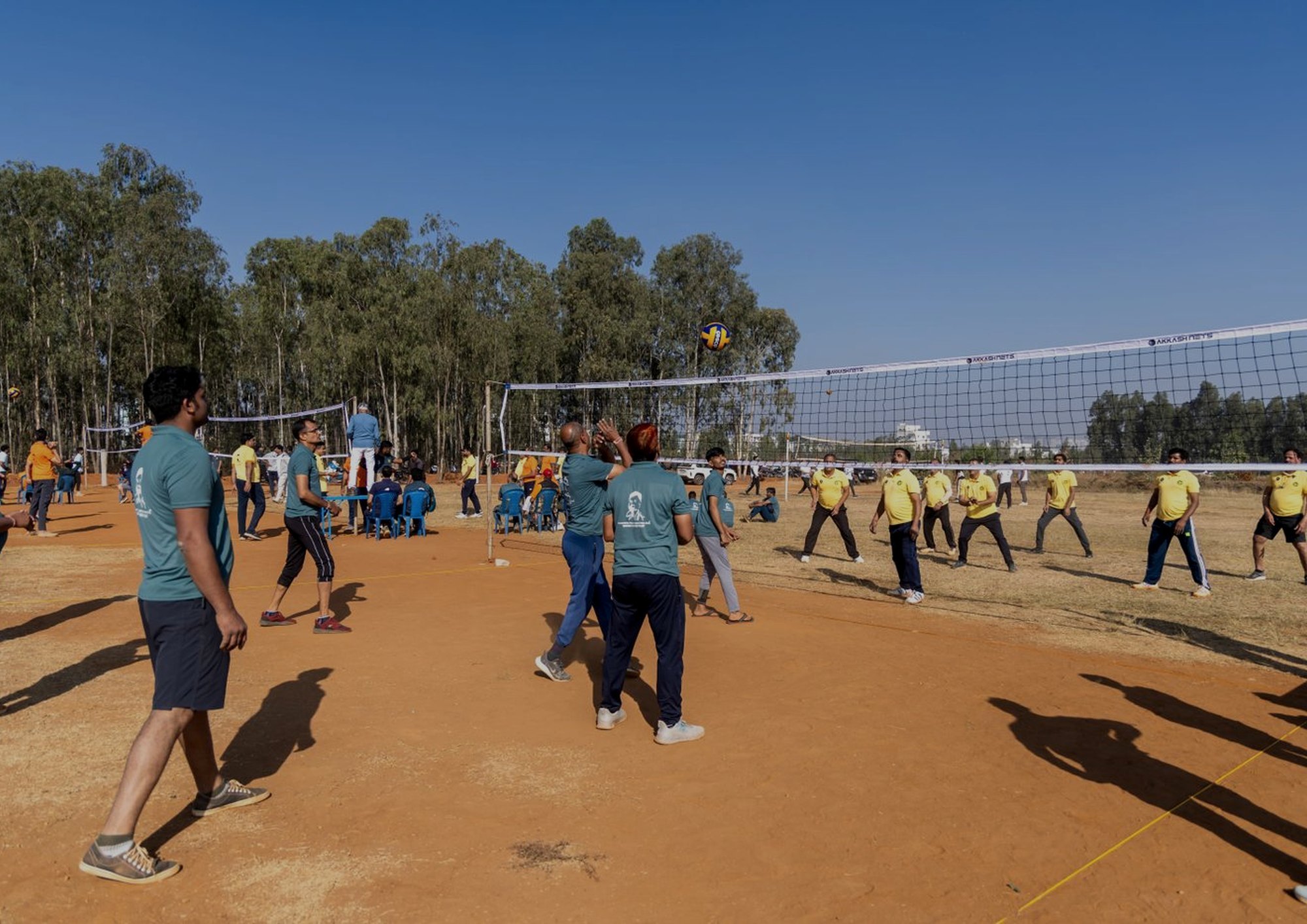
What we are after
Health and wellness promoters, backed by sports science.
Our job is health literacy: showing people that living well does not cost them two or three hours out of an already packed day.
In five years we want to be the first name an Indian HR team thinks of when someone says sports day, run by people who actually studied this.
The arithmetic
The day is the part a company can see and the 21 minutes is the part that changes anything, so the day is built to teach the 21.
150
Minutes of movement a week, the WHO guideline for adults.
World Health Organization
21
Minutes a day. That is all the guideline actually asks for.
150 ÷ 7
9
Hours of sitting in a typical desk job, every working day.
The gap we are hired to close
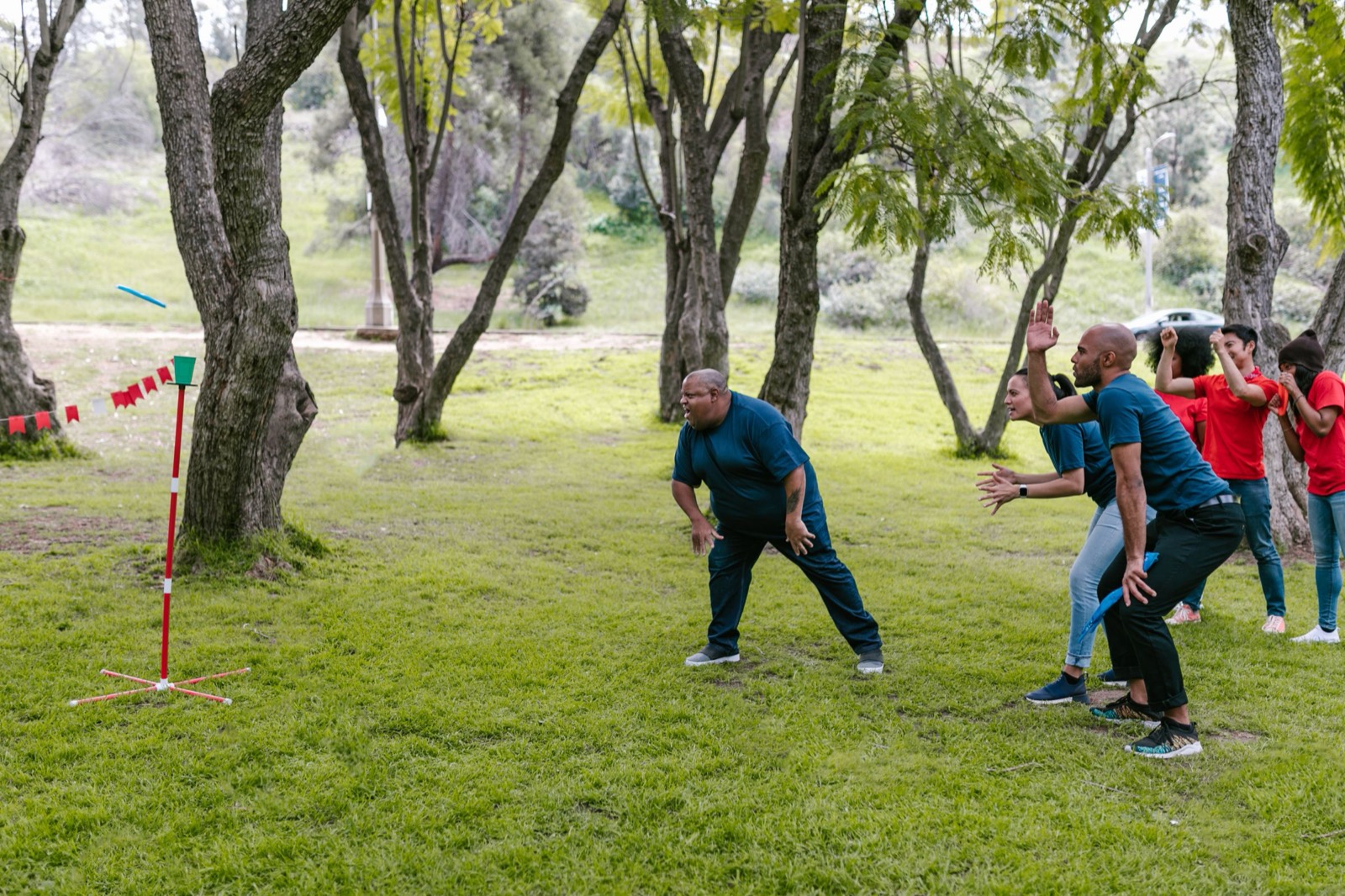
Our services
Every session is hand built around what your team actually needs, on the ground you already have.
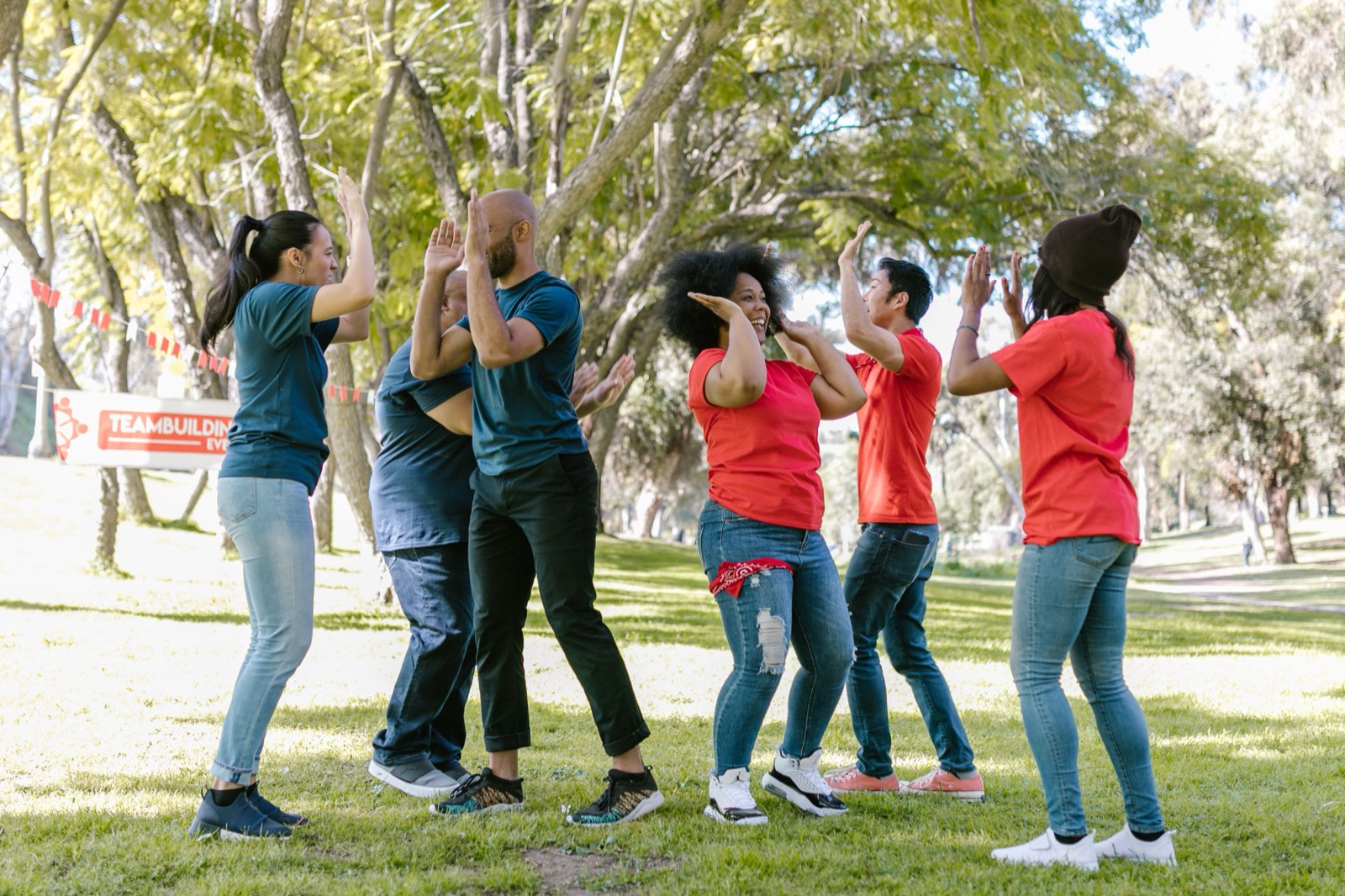
1
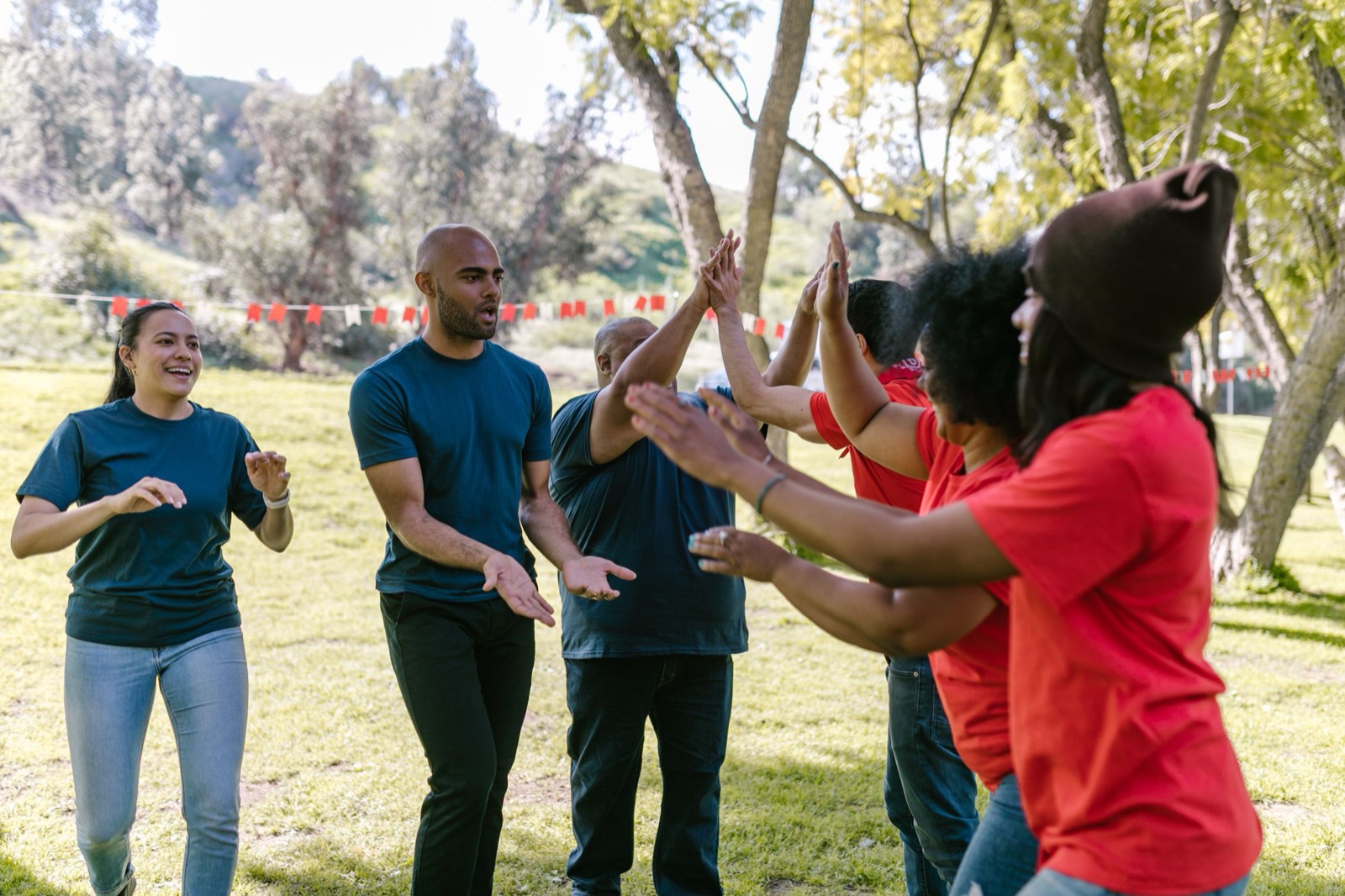
Stations rather than one game, teams mixed across departments, everybody playing at once.
2
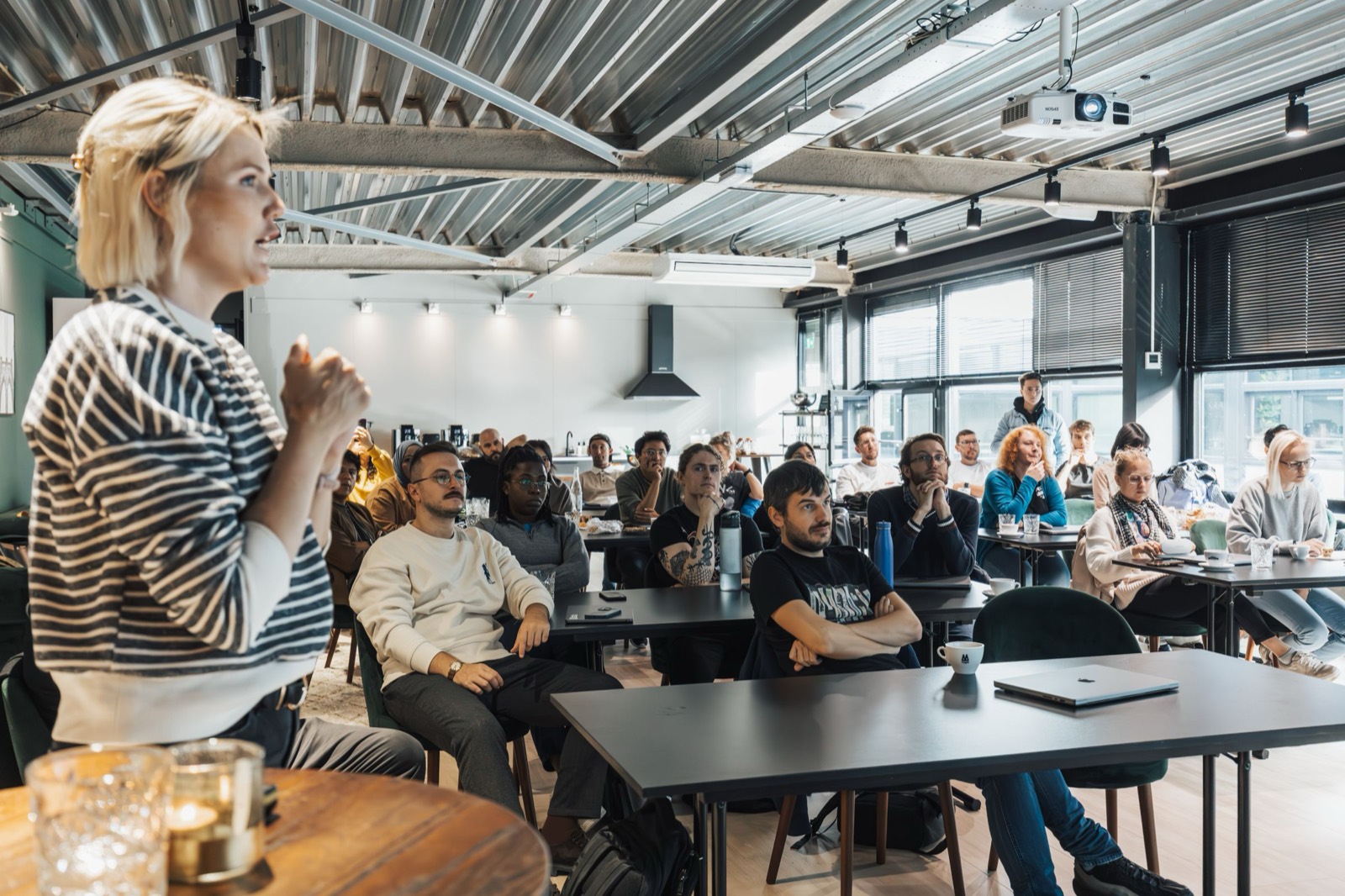
Sixty to ninety minutes on the science, and everyone leaves with a page of their own readings.
3
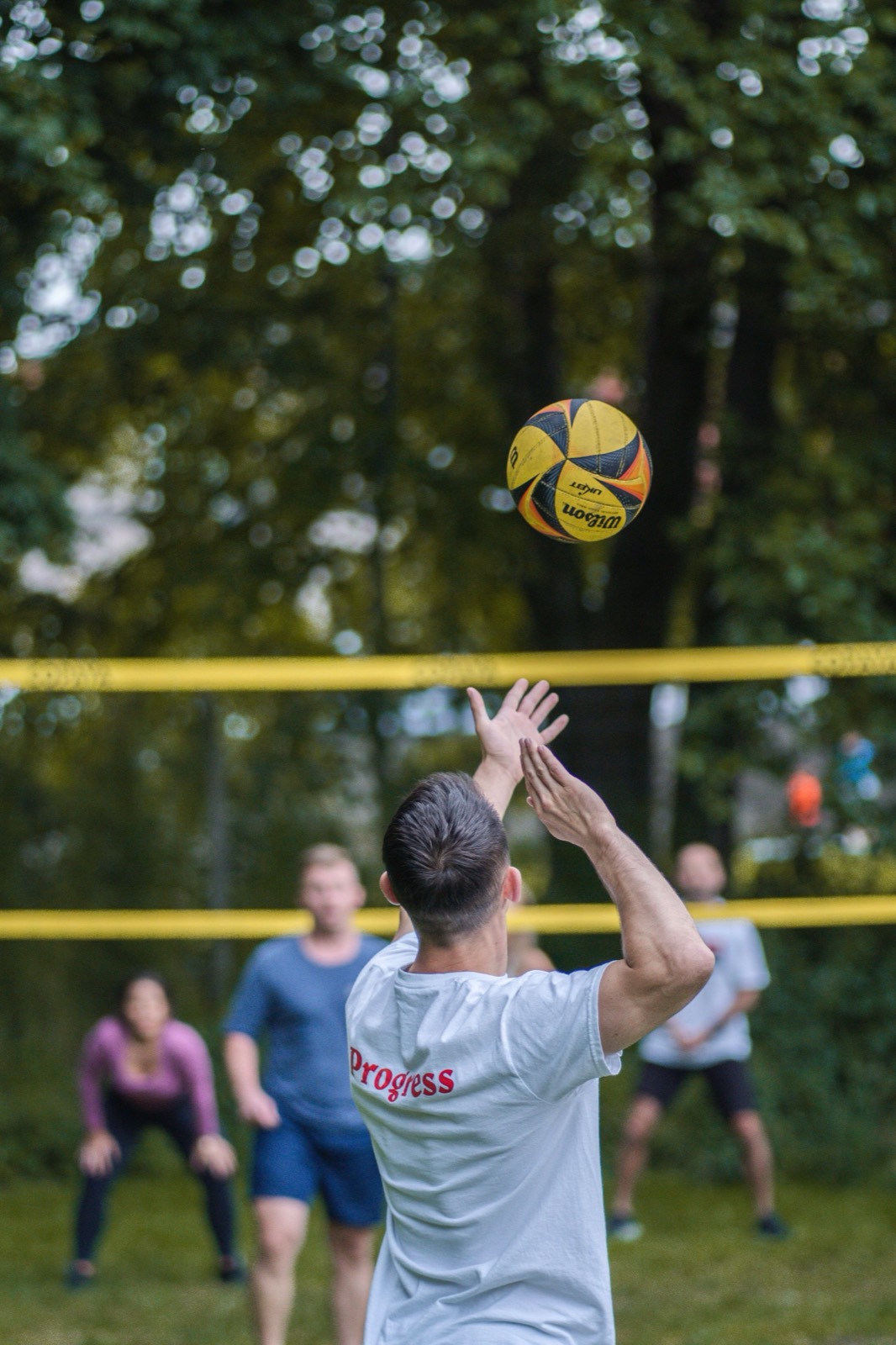
Departments against departments over four to eight weeks, one fixture a week.
4
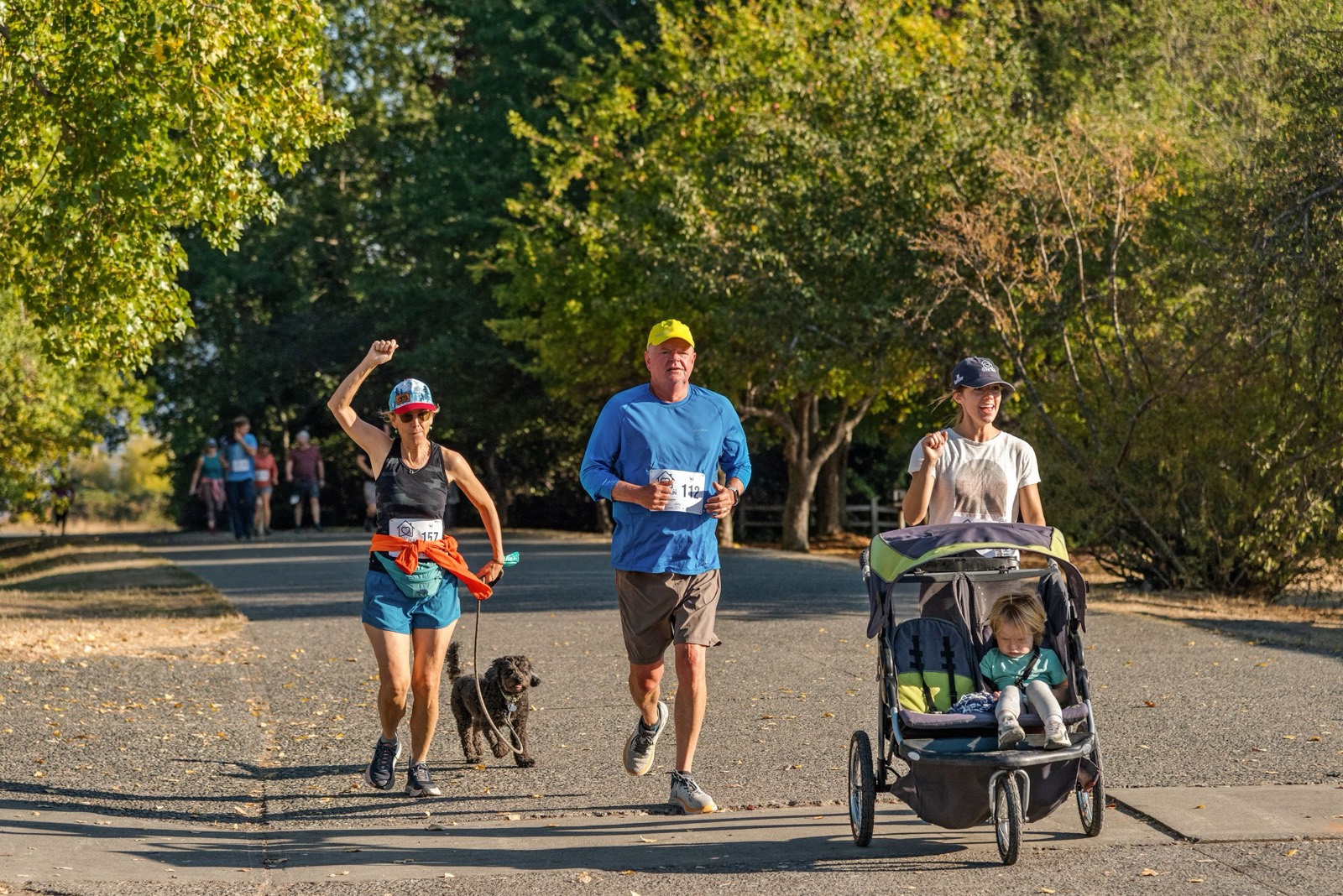
A Saturday morning that reaches the people an employee lives with.
Service one
Sport already does this to people. It has been doing it since you were at school, and it does not need a workshop to help.
Up to 120 people
Stations, mixed teams, points table, debrief.
Up to 300 people
Morning and afternoon, lunch between.
8 to 25 people
One long challenge, heavy on the debrief.
Afterwards, a short written report HR can put in front of a budget conversation.
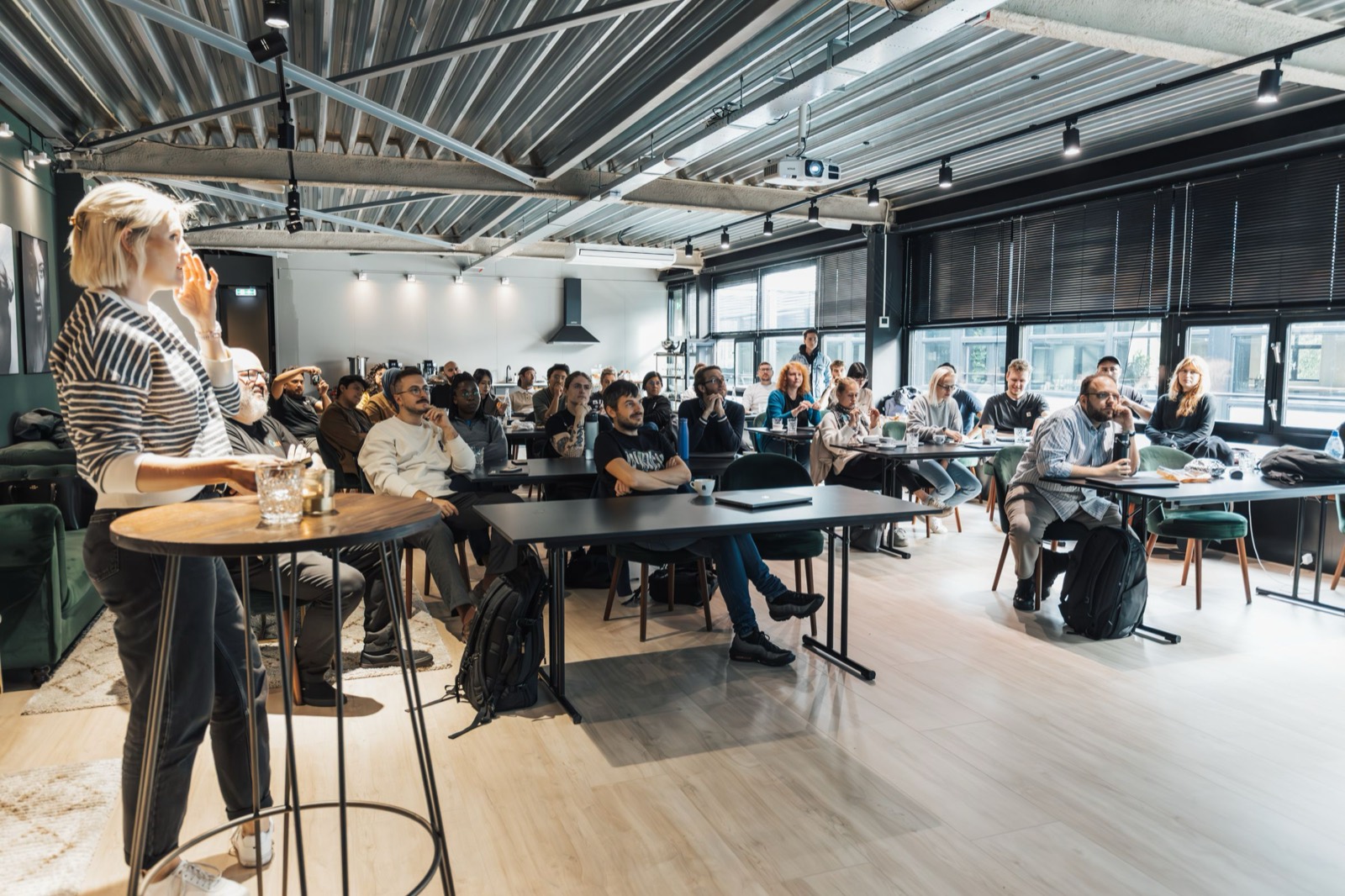
Service two · 60 to 90 minutes · 20 to 40 people
Everyone leaves with a page of their own readings and one thing to change this week, which is what separates a workshop from an hour in a chair.
Athlete tests run in your office: grip strength, sit and reach, a step test, waist, a balance hold. For most people the first thing they have measured that is not weight.
The WHO guideline broken into something a person with a commute and a family can actually do.
What late calls and the phone do to sleep, and what recovery looks like when you cannot simply sleep more.
The three complaints that fill a corporate medical room. What to strengthen, what to rest.
Activity through the menstrual cycle, through pregnancy and after it. This was the subject of Parthav’s masters. HR asks for it, and almost nobody can deliver it.
Canteen food, meetings through lunch, the four o’clock crash. Plus water and heat for staff who work or commute outdoors.
Pick three or four across a quarter
Service three
Departments against departments over four to eight weeks, one fixture a week. Box cricket, five-a-side, volleyball, badminton, throwball, table tennis. We run the draw, the fixtures, the officials, the equipment and the standings.
People come to the second fixture because of what happened in the first, and by the fourth they have a name and a group chat.
Your business park, your industry body, your clients and your vendors. You send the invite, and we handle the format, the venue and the officiating.
Service four · Family sports day
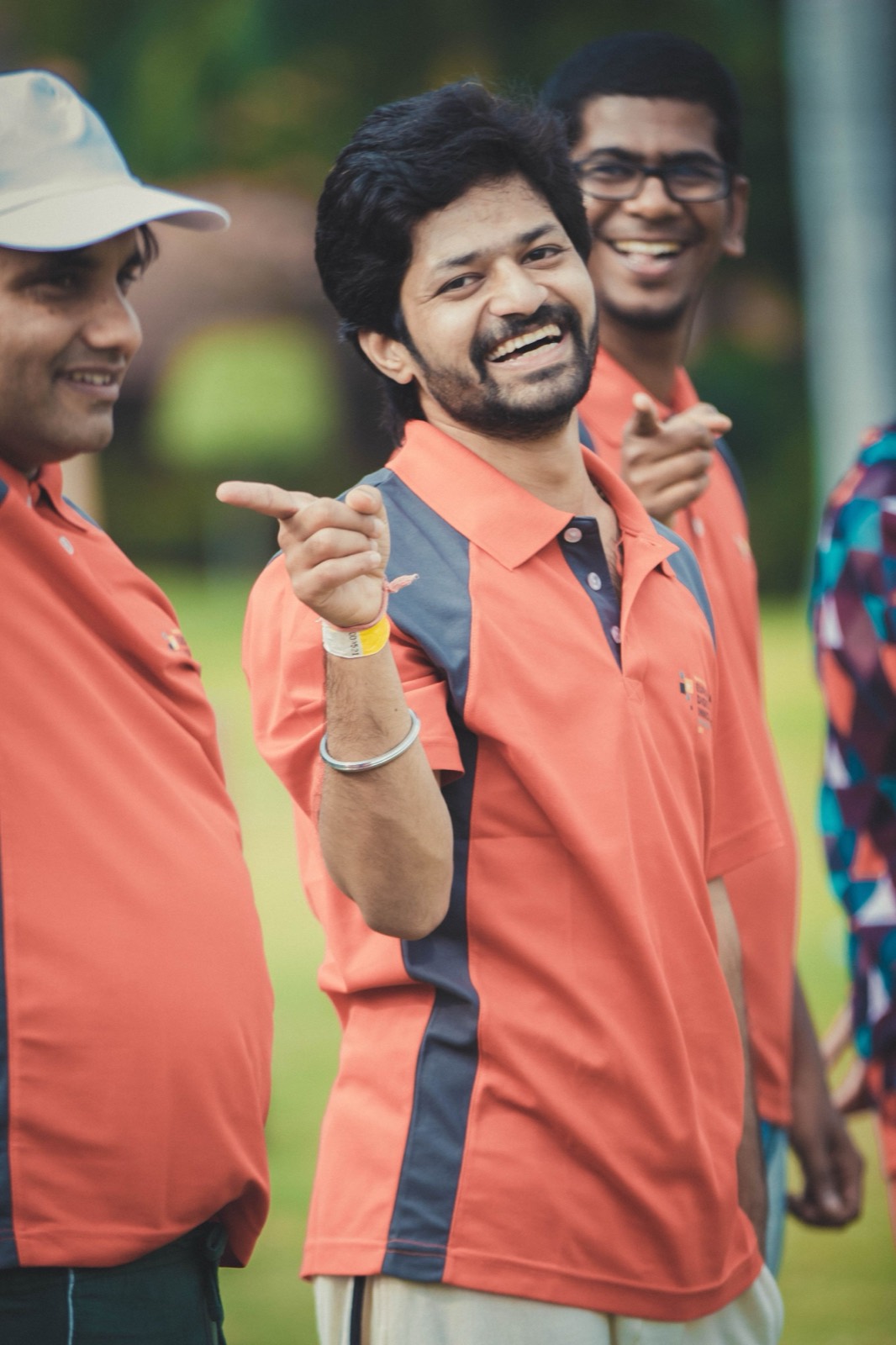
A Saturday morning: the whole office, plus partners, children and parents. Races for the under tens, a parent and child event, and the adult tournament running alongside it.
It is the one format that reaches the people an employee lives with, and the household is where the evidence says an adult’s activity is either sustained or quietly dropped.
5–10
Extra minutes of moderate activity in a child, for every 20 minutes a parent adds to their own.
Garriguet et al. 2017, 1,328 parent and child pairs
5.8×
How much more likely a child is to be active when both parents are active, against two inactive parents.
Moore et al. 1991, Framingham Children’s Study
81%
Higher odds of meeting the WHO activity guideline among adults with strong family support for it.
John et al. 2025, adult family dyads
Reach out at